
Interior and Exterior Finishes
When designing or renovating a building, selecting the right interior and exterior finishes is essential. These finishes not only enhance the aesthetics of a space but also contribute to its durability and functionality. From residential homes to commercial projects, careful planning and execution of finishes play a significant role in creating spaces that are visually appealing and long-lasting.
Understanding Interior Finishes
Interior finishes refer to the final materials and coatings applied inside a building. These finishes create the look and feel of a space while providing protection and longevity. Common interior finishes include:
- Wall Finishes: Paint, wallpaper, textured plaster, and paneling are popular choices. High-quality wall finishes can improve aesthetics, durability, and even acoustic performance.
- Floor Finishes: Options such as tiles, hardwood, laminate, and polished concrete contribute to a building’s functionality and style. The right flooring must consider traffic levels, maintenance, and design requirements.
- Ceiling Finishes: Suspended ceilings, decorative plaster, and paint enhance the interior ambiance while hiding structural elements and wiring.
- Surface Treatments: Protective coatings and sealants improve resistance to moisture, stains, and wear, ensuring a longer lifespan for surfaces.
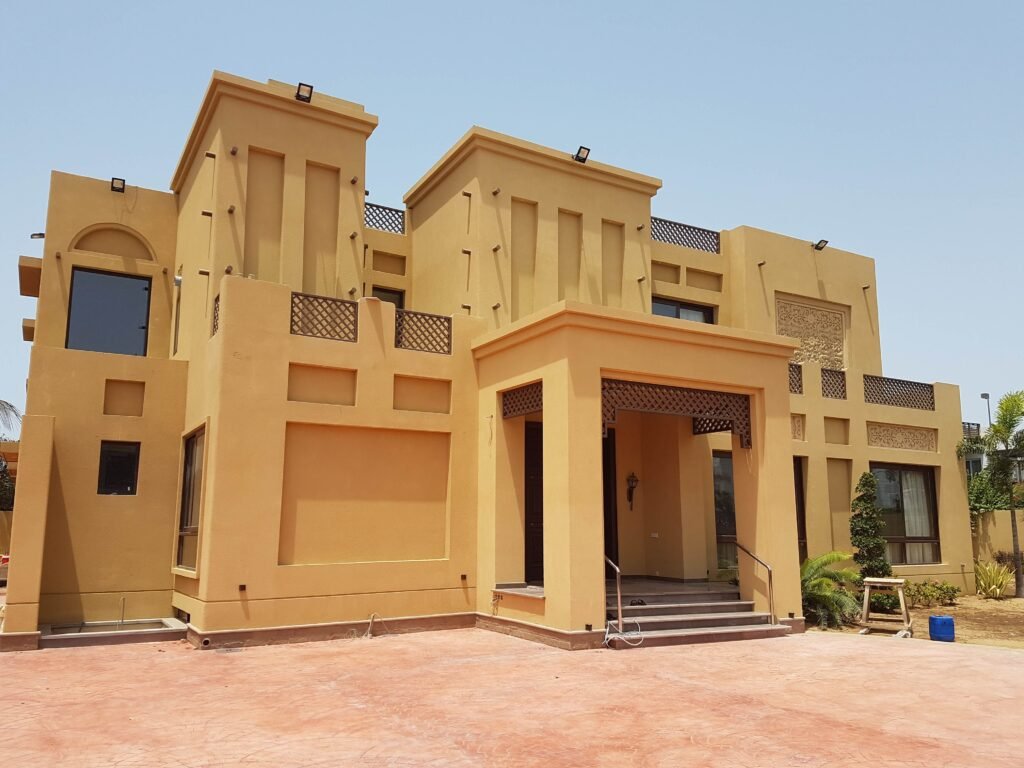
Choosing the Right Interior Finishes
Selecting interior finishes depends on several factors, including the intended use of the space, budget, and design goals. Modern trends emphasize sustainable materials, easy maintenance, and durability. Collaborating with professional contractors ensures finishes are applied correctly, preventing damage and costly repairs over time.
Understanding Exterior Finishes
Exterior finishes protect a building from weather elements while contributing to its curb appeal. Common exterior finishes include:
- Plaster and Stucco: These coatings offer weather resistance, texture, and aesthetic variety. Stucco finishes are particularly popular for both modern and traditional buildings.
- Paint and Coatings: Exterior paints protect against UV rays, moisture, and fading while allowing creative expression through colors and textures.
- Cladding and Siding: Materials such as stone, brick, metal, or composite panels add durability and style to building facades.
- Concrete Finishes: Polished, stamped, or textured concrete provides long-lasting strength and design flexibility.
Benefits of Professional Interior and Exterior Finishes
Properly executed finishes improve a building in multiple ways:
- Aesthetic Appeal: Finishes define the character of a building, making it more attractive and inviting.
- Durability: High-quality finishes protect surfaces from wear, weather, and environmental damage.
- Maintenance Efficiency: Durable materials reduce the need for frequent repairs and upkeep.
- Energy Efficiency: Certain finishes, like reflective exterior coatings, can help reduce energy consumption.
- Property Value: Well-executed finishes enhance the market value of both residential and commercial properties.
Trends in Interior and Exterior Finishes
Current trends emphasize sustainable and low-maintenance materials. For interiors, eco-friendly paints, engineered wood flooring, and recycled materials are gaining popularity. Exteriors are trending towards textured finishes, modern cladding materials, and water-resistant coatings that withstand harsh climates. These trends not only improve performance but also align with contemporary design aesthetics.
Common Mistakes to Avoid
When working with interior and exterior finishes, common mistakes can compromise durability and appearance:
- Poor Surface Preparation: Surfaces must be cleaned, leveled, and primed for proper adhesion.
- Incorrect Material Selection: Using inappropriate materials for specific conditions can lead to premature wear.
- Neglecting Maintenance: Even durable finishes require regular cleaning and inspection to maintain their quality.
- Ignoring Climate Considerations: Certain materials perform poorly in extreme heat, moisture, or freezing conditions.
Maintenance Tips for Longevity
Maintaining finishes properly ensures they last longer and retain their appearance:
- Regular cleaning of walls, floors, and surfaces.
- Repainting or sealing surfaces when signs of wear appear.
- Prompt repair of cracks, chips, or water damage.
- Consulting professionals for periodic inspections to prevent long-term damage.
Conclusion
Investing in high-quality interior and exterior finishes is a crucial step in enhancing the aesthetics, functionality, and value of any building. By carefully selecting materials, hiring skilled professionals, and maintaining finishes properly, property owners can enjoy durable, stylish, and low-maintenance spaces. Whether renovating a home or designing a commercial property, prioritizing expert interior and exterior finishes ensures spaces are both beautiful and resilient for years to come.
Visit: https://concreteart.pk/