
Cement coating renovation is a highly effective method to restore and enhance the appearance of concrete surfaces. Over time, floors, walls, and other cement structures can deteriorate due to environmental exposure, heavy usage, or poor maintenance. Renovating these surfaces using specialized cement coatings not only revives their aesthetic appeal but also extends their durability.
In this article, we explore the benefits, process, and key considerations for a successful cement coating renovation, helping property owners make informed decisions to maintain their concrete structures.
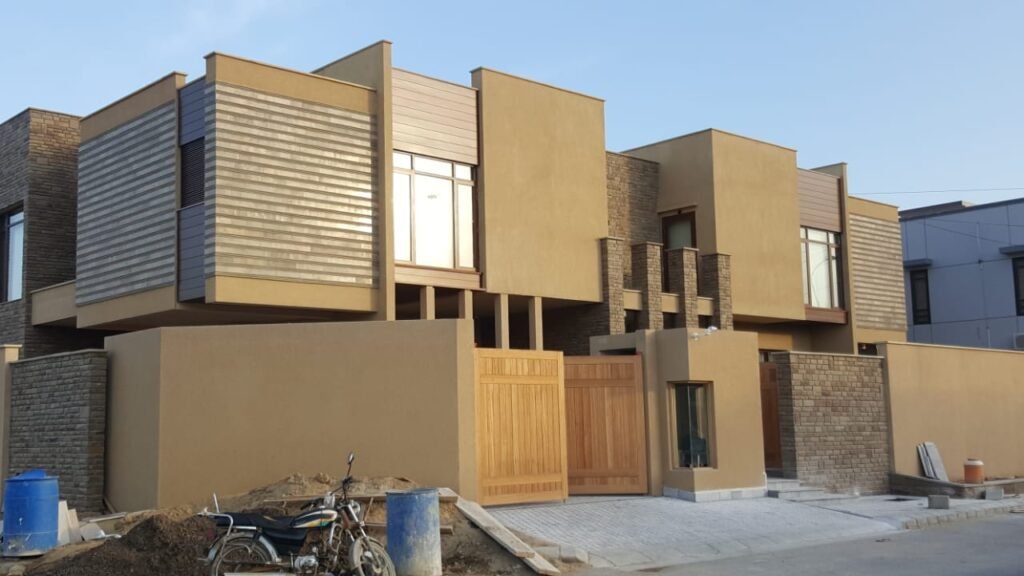
Understanding Cement Coating Renovation
Cement coating renovation involves applying a new layer of cement-based material over existing concrete surfaces. This process can repair cracks, uneven textures, and worn-out finishes while providing a smooth, protective layer that enhances both durability and appearance. Unlike simple surface repairs, cement coating renovation creates a long-lasting solution that safeguards surfaces against future damage.
One of the main advantages of cement coating renovation is its versatility. It can be applied on floors, walls, facades, and even outdoor structures, adapting to a wide range of architectural and design requirements. Additionally, modern cement coatings come in different textures and finishes, offering both functional and decorative benefits.
Benefits of Cement Coating Renovation
1. Enhanced Durability
Cement coating renovation strengthens the existing concrete by adding an extra protective layer. This layer reduces susceptibility to cracks, moisture penetration, and wear, significantly extending the life of the surface.
2. Improved Aesthetics
Over time, concrete can become dull or discolored. Renovating with cement coatings restores the surface to a fresh and polished look. Homeowners and business owners can also choose textured or decorative finishes, giving surfaces a modern and refined appearance.
3. Cost-Effective Solution
Compared to complete replacement, cement coating renovation is a cost-efficient alternative. It requires fewer materials and less labor, while delivering results that can rival brand-new concrete surfaces.
4. Low Maintenance
Once renovated, cement-coated surfaces are easier to maintain. They resist staining and minor surface damage, reducing the frequency of repairs or touch-ups.
5. Eco-Friendly Option
Cement coating renovation minimizes waste by utilizing the existing concrete surface instead of demolishing and replacing it. This sustainable approach is ideal for environmentally conscious property owners.
The Cement Coating Renovation Process
A successful cement coating renovation requires careful preparation and application. Here is an overview of the standard steps involved:
1. Surface Assessment
The first step is to assess the condition of the existing concrete. Identify cracks, chips, or areas with wear and tear. Proper evaluation ensures that the renovation process addresses all problem areas effectively.
2. Surface Preparation
Before applying the new coating, the surface must be cleaned thoroughly. This involves removing dust, debris, grease, and loose particles. In some cases, minor repairs such as filling cracks or leveling uneven surfaces are necessary to achieve a smooth base.
3. Primer Application
Applying a primer helps the cement coating adhere properly to the existing surface. The primer creates a strong bond, ensuring that the renovated layer remains durable over time.
4. Cement Coating Application
Once the primer is set, the cement coating is applied using specialized tools and techniques. Depending on the desired finish, it can be troweled, sprayed, or brushed onto the surface. Multiple layers may be applied for enhanced durability or a textured appearance.
5. Curing and Finishing
After application, the cement coating needs time to cure. Proper curing is essential to prevent cracking and ensure the coating’s long-term strength. Finally, surfaces can be polished, painted, or treated with a sealant for added protection and aesthetics.
Key Considerations for Cement Coating Renovation
- Surface Type: Cement coating renovation works on various surfaces, but some concrete types may require specialized materials or techniques.
- Climate Conditions: Environmental factors such as humidity, temperature, and rainfall can affect the application and curing process.
- Coating Thickness: Applying too thin or too thick a layer can compromise durability, so professional guidance is recommended.
- Expert Assistance: Hiring experienced professionals ensures a high-quality finish and prevents costly mistakes.
Applications of Cement Coating Renovation
Cement coating renovation is suitable for both residential and commercial projects. Common applications include:
- Interior and exterior walls
- Concrete floors and terraces
- Driveways and sidewalks
- Facades and architectural features
- Industrial and commercial surfaces
By selecting the right materials and techniques, property owners can achieve both aesthetic and functional improvements that last for years.
Conclusion
Cement coating renovation is an essential solution for restoring and protecting concrete surfaces. By enhancing durability, improving aesthetics, and offering a cost-effective and eco-friendly option, it has become a preferred choice for homeowners and businesses alike.
With professional assessment, proper preparation, and expert application, concrete renovation
can transform worn-out concrete into smooth, resilient, and visually appealing surfaces. For anyone looking to maintain or revitalize their property, investing in cement coating renovation is a smart and long-lasting solution.
Comment (1)
Comments are closed.
Stucco Plaster Building Maintenance Tips & Solutions
November 8, 2025[…] regular care to maintain its appearance, prevent damage, and extend its lifespan. Effective stucco plaster building maintenance ensures that your property retains its structural integrity and continues to look its best over […]