In the heart of Pakistan’s design evolution, cement texture wall art in Karachi is becoming a signature choice for interior designers, architects, and modern homeowners. It’s more than just a wall finish — it’s an art form born from raw material, merging industrial strength with personalized expression.
Whether you walk into a posh café in Clifton, a design studio in DHA, or a boutique hotel in Saddar, you’ll likely spot walls finished with cement textures, adding depth, character, and a natural feel. This blog explores how cement texture wall art in Karachi is reshaping urban aesthetics.
What Is Cement Texture Wall Art?
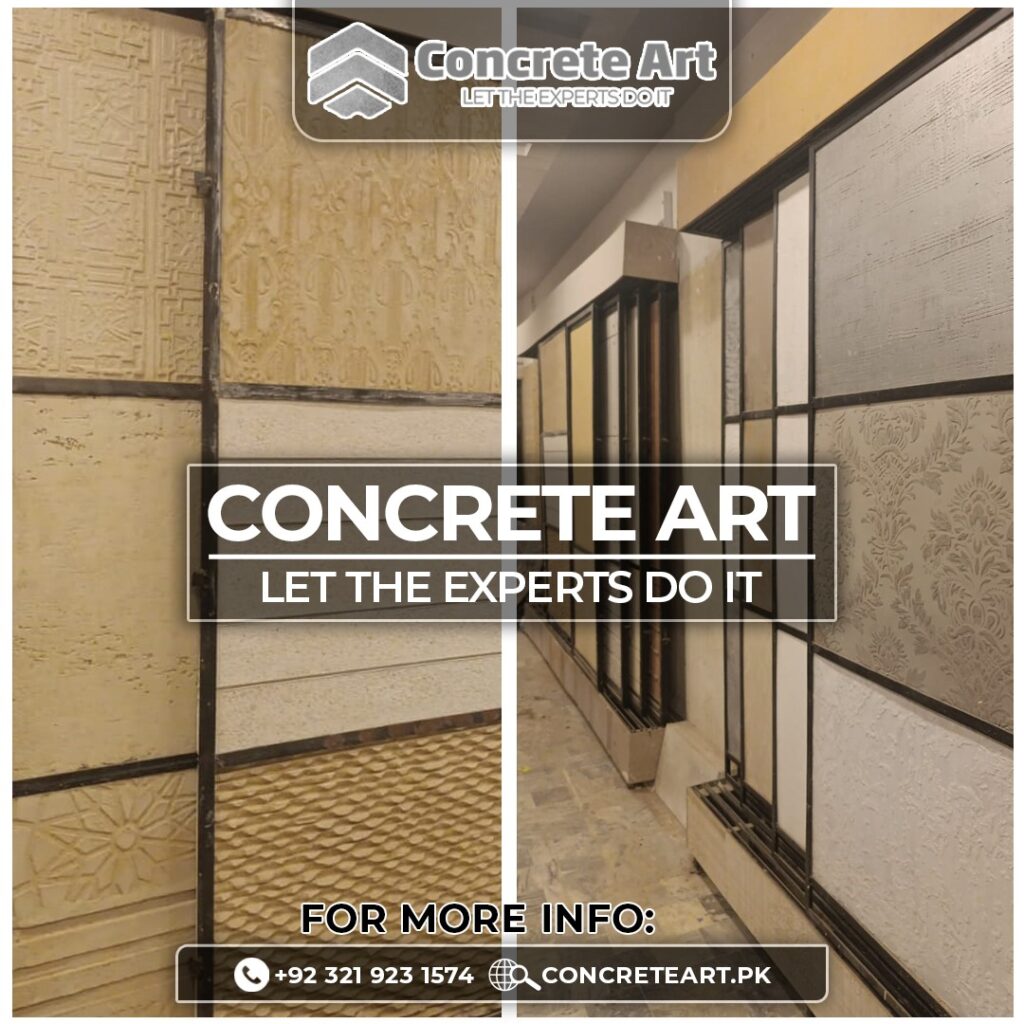
Cement texture wall art refers to creative wall finishes crafted using cement. Unlike smooth plaster or painted walls, textured cement is applied using tools, brushes, stamps, or custom patterns to form artistic surfaces.
These textures can range from:
- Subtle wave-like movements
- Vertical or horizontal strokes
- Rough industrial finishes
- Custom sculptural designs
- Concrete with embedded elements (stone, metal, wood grains)
They offer a tactile surface that changes appearance throughout the day based on lighting and shadow.
Why Cement Texture Wall Art Is Popular in Karachi
Karachi’s architecture is evolving toward clean, minimal, and raw finishes. Cement textures provide just that — with practical benefits too.
Weather-Resistant
Perfect for Karachi’s humid, dusty, and coastal climate. Cement doesn’t warp, peel, or fade easily.
Natural and Elegant
The earthy tone of cement, whether gray, charcoal, or beige, brings a calm, organic vibe into any space.
Customizable
Each wall is handcrafted or molded to match the owner’s style, making every design unique.
Budget-Friendly (Long-Term)
Though slightly costlier upfront than regular paint, cement texture walls last 5–10 times longer, saving future renovation costs.
Applications of Cement Texture Wall Art in Karachi
Residential Use
- Living room feature walls
- Master bedroom accent walls
- Staircase enclosures
- Boundary and terrace walls
- TV lounge media walls
In localities like Gulistan-e-Johar, Bahria Town Karachi, and PECHS, homeowners are embracing textured cement to replace wallpaper and paints.
Commercial & Hospitality Use
- Boutique storefronts
- Hotel lobbies and corridors
- Café and restaurant interiors
- Salon and studio backdrops
- Corporate offices and creative agencies
Types of Cement Texture Wall Art
- Trowel Texture: Created by hand using plastering tools for waves and movement
- Vertical Fluted Panels: Resemble wooden grooves but made from cement
- Rough Industrial Finish: Exposed and raw look, perfect for loft-style interiors
- Stamped Patterns: Stone, brick, or abstract textures stamped into wet cement
- Geometric Reliefs: 3D effects crafted using molds or CNC-cut templates
All these styles can be tinted with natural cement pigments (like black, off-white, sand, rust) to enhance their visual effect.
Installation Process in Karachi
Here’s how the process of creating cement texture wall art typically works:
- Surface Prep: The wall is cleaned, leveled, and primed for adhesion
- Base Layer Application: A layer of special cement compound is applied
- Texturing: Design is created manually or using molds while the cement is wet
- Curing: The surface is left to dry and harden gradually
- Finishing: Sealer is applied to protect against moisture, dust, or stains
The process usually takes 2–4 days, depending on the wall size and complexity.
Cost of Cement Texture Wall Art in Karachi
Pricing depends on:
- Wall area (per sq. ft.)
- Type of texture/design
- Labor skill and materials
- Location and accessibility
Estimated Cost Range:
- Basic textured finish: PKR 350–500 per sq. ft.
- Custom artistic designs: PKR 600–900+ per sq. ft.
- 3D mold-based textures or logos: PKR 1000–1300+ per sq. ft.
Despite being a premium finish, it offers excellent value due to its durability and timeless look.
Maintenance Tips for Cement Textured Walls
Cement is a low-maintenance material, but a few simple steps help preserve its appeal:
- Wipe gently with damp cloth when dusty
- Avoid using acid or abrasive cleaners
- Reseal every 2–3 years for outdoor walls
- For indoor walls, a single sealant can last 5+ years
Comparison: Cement Texture vs Other Wall Finishes
| Feature | Cement Texture Wall Art | Paint | Wallpaper/Foam |
|---|---|---|---|
| Durability | Very High | Low | Very Low |
| Visual Impact | High (Textured Depth) | Flat | Decorative Only |
| Maintenance | Low | High | High |
| Weather Resistance | Excellent | Poor | Not Suitable Outdoors |
| Fire Resistance | Yes | No | No |
Where to Get Cement Texture Wall Art in Karachi
You can find experienced texture artists and cement finishers in:
- DHA & Clifton design studios
- Gulshan & Gulberg interior workshops
- Korangi & SITE area material providers
- Online marketplaces and architecture networks
Be sure to:
- Ask for a portfolio or mockup
- Demand material quality assurance
- Confirm delivery timelines and warranty (especially for commercial work)
Trends in Cement Texture Wall Art Pakistan
- Minimal wave finishes for modern living rooms
- Black textured media walls for TV backdrops
- Arabic calligraphy in relief for dining or spiritual spaces
- Exterior fluted panels on entrances and boundary walls
- Logo engraving in cement for brand identity in shops or offices
As Pakistani architecture shifts toward sustainable and timeless design, cement textures are becoming a staple in both urban and suburban environments.
Conclusion
Cement texture wall art is more than a trend — it’s a powerful design tool that adds soul to any space. In Karachi, where both style and strength are valued, this technique offers the perfect blend of raw beauty and resilience.
From industrial to elegant, from residential to retail, cement texture wall art in Karachi is transforming flat walls into works of art that last. If you’re designing a new space or renovating an old one, this is a finish worth considering — once installed, it stays beautiful for years.